Advice · Grants and energy
Energy audit: who can carry it out and what it is for
8 October 2026 · 4 min read · By the Aldeak team
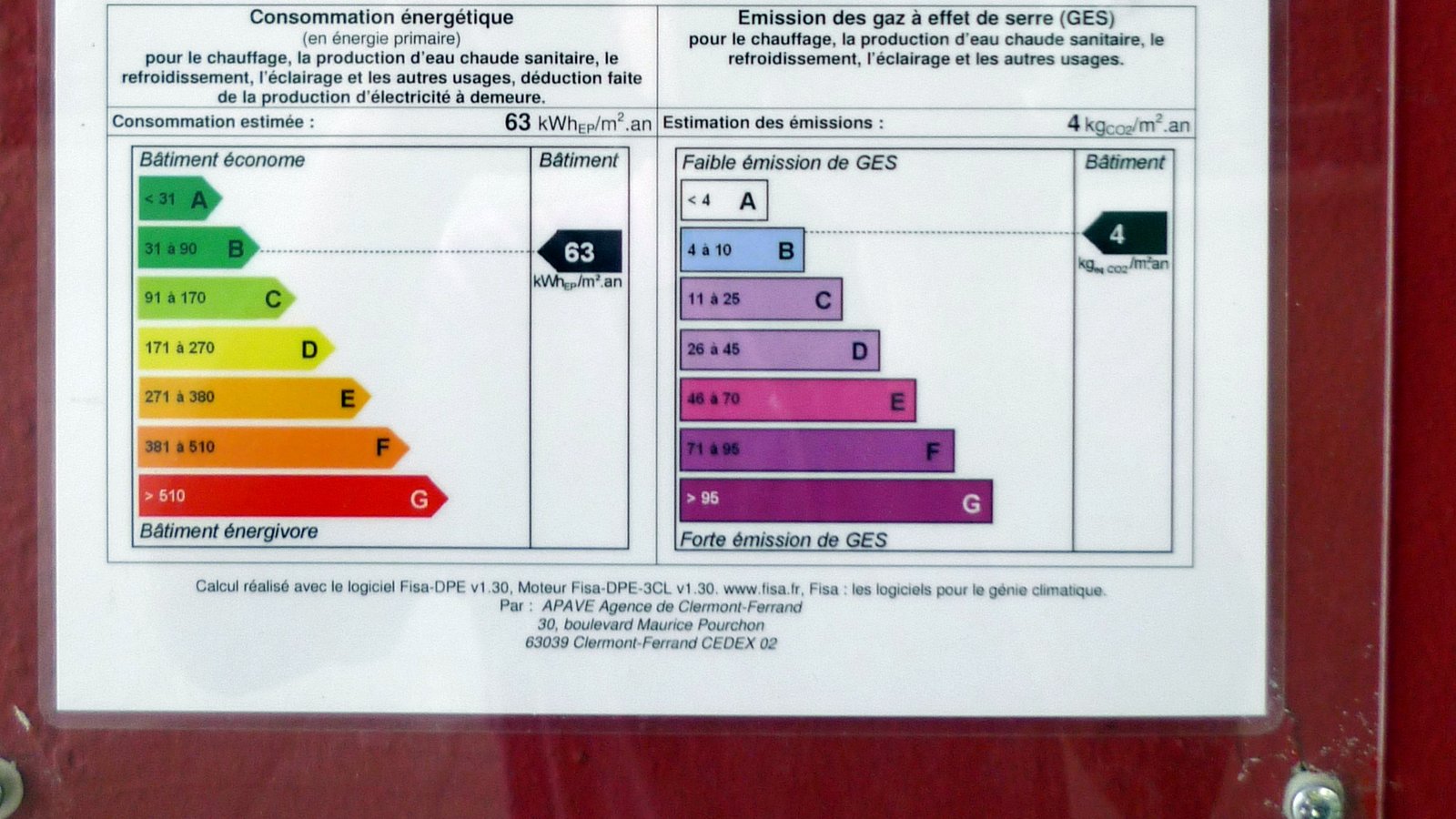
The DPE (energy performance certificate) gives a rating; the energy audit explains why and proposes how to improve it. Compulsory when selling a poorly rated house, it is above all the tool that prevents work being done in the wrong order.
DPE and audit: what is the difference?
The DPE rates the home from A to G. The energy audit goes further: it analyses the heat losses of the house and proposes work plans, each with its estimated cost, the number of classes gained and the expected savings.
“One informs, the other helps you decide.”
When is it compulsory?
For the sale of a house or a building belonging to a single owner, the audit is compulsory:
Audit compulsory on sale.
Audit compulsory on sale.
Audit compulsory on sale.
Flats in jointly owned buildings are not affected. The audit is paid for by the seller and must be given to the buyer from the first viewing.
It is also required for a major renovation funded by MaPrimeRénov': in that case it is carried out by the Accompagnateur Rénov' (the approved renovation adviser), together with the financing plan.
Who can carry it out?
- Engineering consultancies and firms qualified in energy audits of detached houses (for example OPQIBI 1911 or Qualibat 8731 qualifications) or of buildings (OPQIBI 1905).
- Firms holding RGE “offre globale” (whole-house) certification.
- Architects registered with the professional body who have completed the required training.
- Certified property energy assessors who can show training in the regulatory energy audit.
The auditor must be independent and insured, must visit the house, and may not subcontract the audit. Fees are not regulated: comparing several quotes is worthwhile.
Before signing, ask for the professional's qualification or certification and check it in the official directory on france-renov.gouv.fr.
What a good audit should contain
- A precise assessment of the current state: walls, roof, floors, windows and doors, heating, hot water, ventilation.
- At least two work scenarios, in one or several stages, that reach at least class B, except where there are technical constraints or the cost is disproportionate.
- For each stage: the class achieved, the energy savings, a range of savings on the bill, the estimated cost of the work and the grants available.
- Information on ventilation, summer comfort and how the junctions between stages of work are handled.
Worked example: reading an audit for a 1970s house
Take, as an example, a 1970s house rated F, at 380 kWh per m² per year. An audit might propose two plans.
| In one stage: roof, walls and floor insulated, windows replaced, ventilation and a heat pump | class B, under 110 kWh |
| In stages, first: the loft and the heating | class D, under 250 kWh |
| Then: the walls, the floor and the windows | class B |
| End point of both plans | class B, instead of F |
The staged plan spreads the cost; the single-stage plan avoids opening up the walls again and redoing the finishes twice. The audit costs both: the choice is yours, with these facts in hand.
Preparing for the auditor's visit
The more information the auditor has, the more reliable the calculation. Gather previous DPEs, invoices for work already carried out, plans, photos of the works, manuals and maintenance contracts for the equipment, planning permissions and, if there is one, an air-tightness test report less than two years old.
Mistakes to avoid
- Believing the DPE is enough to sell a house rated E, F or G.
- Ordering it at the last minute: it must be provided from the first viewing.
- Choosing an auditor without checking their qualification: a non-compliant audit puts the sale at risk.
- Looking only at the total cost: the order of the stages and how the junctions are handled matter just as much.
- Leaving it in a drawer: valid for five years, it can serve as the basis for quotes and grant applications.
What the audit does not tell you
The audit is based on the standard DPE calculation method: it estimates consumption for standard use, not a family's actual bill. Its work costs are estimates, made without opening up the walls or obtaining contractors' quotes. It therefore replaces neither a contractor's visit nor surveys covering other matters, such as asbestos before work on a house whose building permit dates from before July 1997. For an older house, particularly one built in stone, the proposed solutions must also be checked against the actual building: unsuitable insulation can trap moisture in the walls.
Making good use of it
The audit is valid for five years. It serves as a road map: we use it to build a realistic whole-house renovation programme, adapt it to the house (a stone house is not treated like a modern detached house) and carry it out in the right order.
Sources : Code de la construction et de l’habitation, article L. 126-28-1 (audit énergétique à la vente) · Décret n° 2022-780 du 4 mai 2022 et arrêté du 4 mai 2022 (contenu de l’audit énergétique, qualification des auditeurs) · Loi n° 2021-1104 du 22 août 2021 « Climat et résilience » (calendrier des logements indécents E, F et G) · Code du travail, article R. 4412-97 (repérage de l’amiante avant travaux) · ecologie.gouv.fr, audit énergétique réglementaire · france-renov.gouv.fr
Frequently asked questions
Is the energy audit compulsory when selling?
Yes, for a house or a building under single ownership rated E, F or G. It will apply to class D from 2034.
How long is the audit valid?
Five years.
Is an audit enough to obtain MaPrimeRénov'?
It is a compulsory step in a major renovation, alongside support from an Accompagnateur Rénov', who carries out the audit themselves.
Is an audit needed to sell a flat?
No: the requirement applies to houses and buildings belonging to a single owner, not to flats in jointly owned buildings.
Who pays for the audit on a sale?
The seller. Its price is not regulated: it is best to compare several quotes.
Is the buyer obliged to carry out the proposed work?
No, the audit informs without imposing any obligation. It helps the buyer plan a budget and serves as a basis for grant applications.