
Advice · Renovation
Renovating your house: what the works add to its value
8 October 2026 · 4 min read · By the Aldeak team
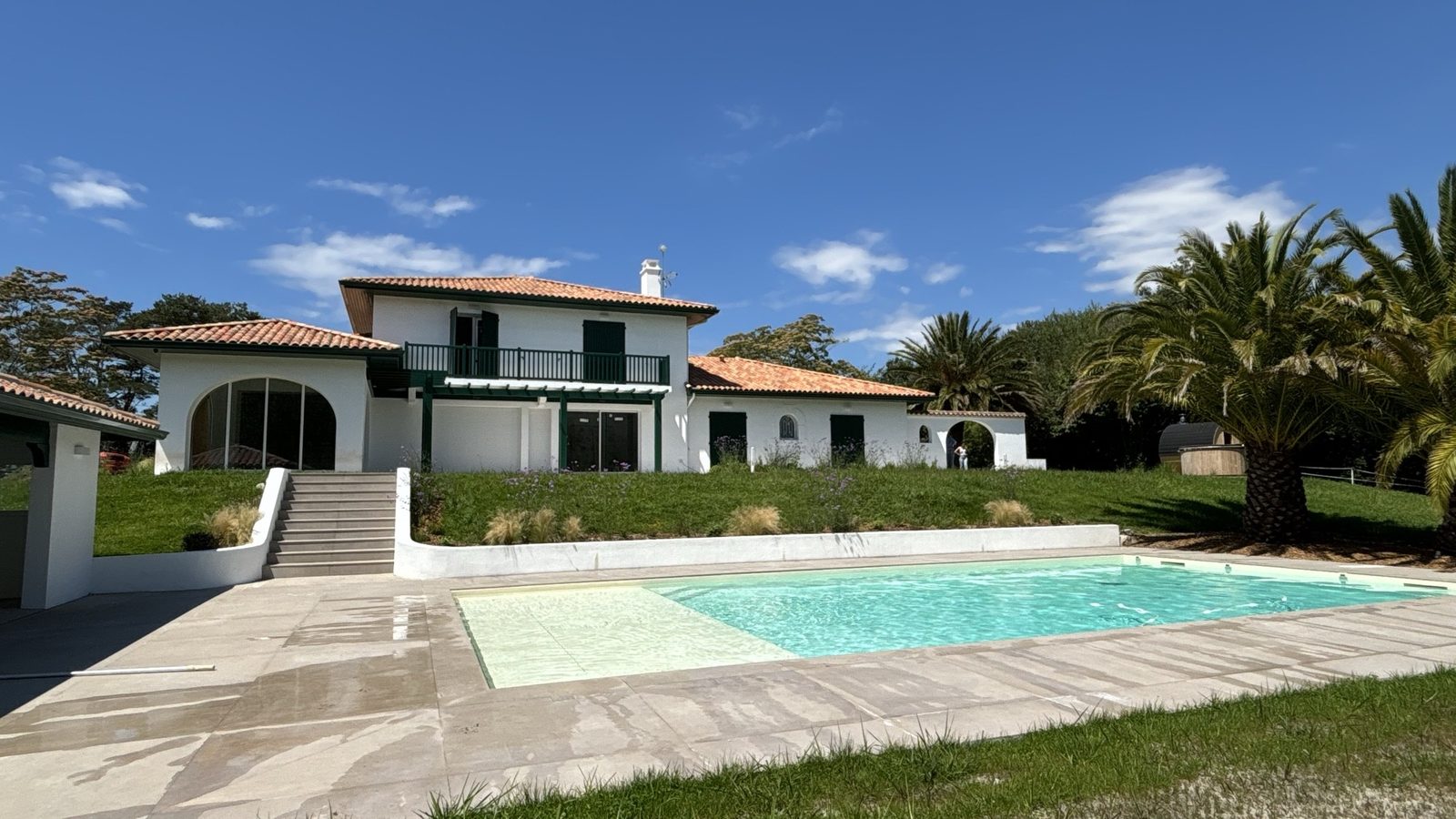
A well-renovated house sells faster and is negotiated down less. Energy performance has become a purchasing criterion in its own right, but it is not the only one: comfort, light and the quality of the finishes matter just as much.
The energy performance certificate, now a purchasing criterion
Since the energy performance certificate (DPE) became legally enforceable and is shown in every listing, buyers also compare houses on their energy rating. A house rated F or G signals high bills and works to be planned: the buyer deducts them from the price. Studies by French notaries regularly find a price gap between well-rated properties and poorly insulated homes, all other things being equal.
Their latest study, on 2024 sales, is clear:
Buyers have a choice, and they compare.
Worked example: the same house rated D or G
Take, by way of example, a house that would be worth €300,000 if it were rated D. Rated G, with comparable floor area, location and condition, it would follow the national average recorded by notaries:
| Value of the house rated D | €300,000 |
| Average discount for a house rated G | − 25% |
| Sale price of the house rated G | around €225,000 |
This gap is not a guaranteed gain: it varies from one market to another, it is smaller where properties are scarce, and it says nothing about the cost of the works. Above all, it shows what the buyer anticipates: heavier bills, works to be financed, and the energy audit, handed over from the first viewing, which sets out the cost of those works in black and white.
What really adds value
- Insulation and heating: they improve the energy rating and reassure buyers about running costs.
- The roof, windows and doors, and services: costly items the buyer will not have to redo.
- The kitchen and bathrooms: the rooms people look at first during a viewing.
- Light and circulation: an open, bright living space changes the way a house is perceived.
- The outside: terrace, clean façade, well-kept surroundings.
What adds less value
Very personal choices, or choices strongly tied to a trend, quickly go out of fashion. Durable materials and understated colours, which anyone can make their own, are a better choice.
“Unfinished works or works without invoices worry buyers more than they reassure them.”
The evidence that reassures buyers
- A new energy performance certificate after the works, showing the new rating in the listing.
- Detailed invoices and ten-year liability insurance certificates from the contractors: for a sale less than ten years after the works, the deed mentions the existence of this insurance, and the ten-year guarantee benefits successive buyers.
- The handover report for the works.
- The planning authorisations, when the works required a prior declaration or a permit.
- The manuals and maintenance contracts for the equipment: heat pump, ventilation, boiler.
Renovating for yourself, renovating to sell
If you are renovating to live in the house, give priority to your comfort and to durability. If you are renovating before a sale, focus on energy performance and the key rooms, and keep the invoices and certificates: they reassure the buyer and their bank.
Before a sale, it is better to carry out a coherent programme than to multiply small jobs: gaining one or two ratings in one go shows in the listing. On the tax side, the sale of a main residence is exempt from capital gains tax. For a second home, certain works expenses can be added to the purchase price, or a flat rate of 15% after five years of ownership, which reduces the taxable gain: your notary will do the calculation.
Mistakes to avoid
- Selling without redoing the energy performance certificate after works: the listing then shows the old rating.
- Spending on very personal decoration rather than on insulation, the roof or heating.
- Mislaying invoices and the contractors' insurance certificates.
- Carrying out works without the authorisation they required: the notary or the buyer may point it out.
- Overinvesting relative to the local market: the price of a house remains tied to that of its neighbourhood.
Our view
We help you prioritise the works according to your plans, whether living in the house or selling it, and we carry them out with a single point of contact, from design to finishes: that is the principle of our full home renovation.
Sources : Notaires de France, « La valeur verte des logements en France sur les transactions 2024 et tendances 2025 » (décembre 2025) · Code de la construction et de l’habitation, articles L. 126-26 et suivants (diagnostic de performance énergétique) · Code de la construction et de l’habitation, article L. 126-28-1 (audit énergétique à la vente) · Code des assurances, article L. 243-2 (mention des assurances dans l’acte de vente dans les dix ans suivant les travaux) · Code général des impôts, articles 150 U (exonération de la résidence principale) et 150 VB (majoration du prix d’acquisition pour travaux) · notaires.fr
Frequently asked questions
Does a house with a better energy rating sell for more?
All other things being equal, yes: notaries find a price gap between well-rated houses and poorly insulated homes.
Which works add the most value?
Those that improve energy performance and the costly items (roof, windows and doors, services), followed by the kitchen and bathrooms.
Should you keep the invoices for the works?
Yes: they prove the quality of the works and are used for guarantees, resale and sometimes tax purposes.
What discount applies to a house rated G?
According to French notaries, houses rated G sold in 2024 for an average of 25% less than houses rated D, all other things being equal. The gap varies from one market to another.
Should you redo the energy performance certificate after works before selling?
Yes: otherwise the listing shows the old rating, and the buyer negotiates on a house that no longer exists.
Is an energy audit compulsory to sell?
Yes for a house rated E, F or G: it is handed to the buyer from the first viewing and sets out the cost of the works to be planned.
Are the works always recouped on resale?
Not necessarily euro for euro. Works that improve the energy rating and major items (roof, windows and doors, services) add the most value; very personal finishes much less so.