
Advice · Renovation
The 5 stages of a turnkey renovation project
8 October 2026 · 4 min read · By the Aldeak team
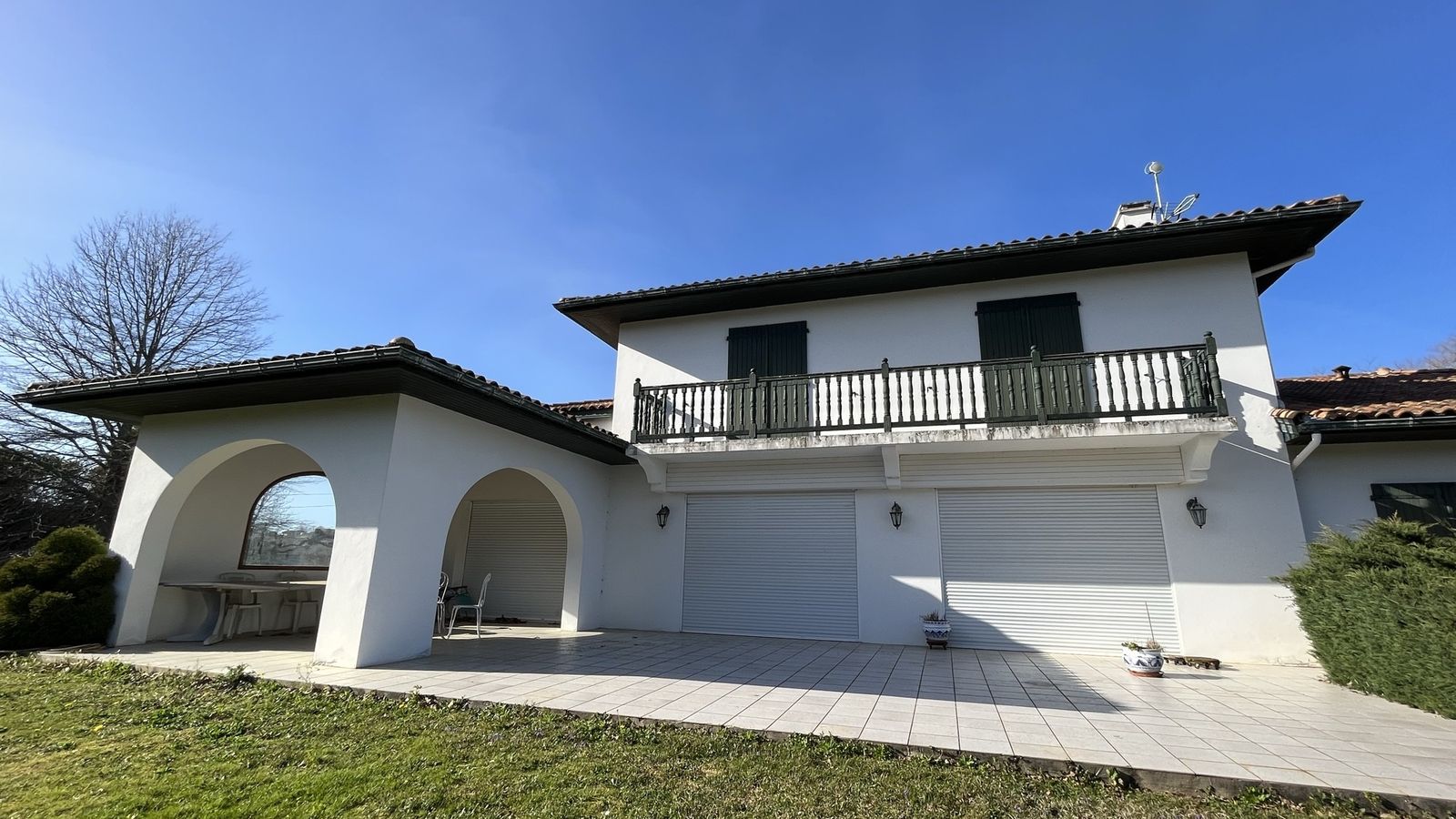
A renovation involves many different trades. With a turnkey service, a single point of contact coordinates everything, from the first meeting to the handing over of the keys. Here is how a project unfolds, stage by stage.
1. The first meeting and the visit
We begin by listening: how you live in the house, what is missing, your budget and your timetable. The visit allows us to survey the existing building and identify the technical points (structure, damp, services).
To save time, it helps to prepare a few documents: the plans if there are any, the latest energy performance certificate, the title deed (year of construction, easements), the co-ownership regulations where applicable, and photos or examples of what you like.
2. Design and costing
Plans, choice of materials, layout of the kitchen and bathrooms: the project takes shape. The quote details each item. This is the stage where choices are made and where any available grants are built in. The more care it receives, the fewer surprises there are afterwards.
A serious quote describes the work, the quantities, the brands or ranges, the timescales and the payment terms.
A firm carrying out work covered by the ten-year building guarantee must attach its insurance certificate to the quote: this is a legal obligation. A good habit: check that the insured activity matches the planned work.
3. Permissions and preparation
Prior declaration or building permit if required, additional studies, ordering of materials, scheduling of the trades: everything is prepared before the first hammer blow.
This stage also includes the compulsory pre-works surveys, such as the asbestos survey for buildings whose building permit predates 1 July 1997, and the latent defects insurance (dommages-ouvrage), which the client must take out before work begins when the works are covered by the ten-year guarantee. The processing times are one month for a prior declaration and two months for the building permit for a detached house.
4. Coordinated works
Demolition, structural work, services, insulation, partitions, then finishes: the firms follow one another in the right order. The site manager oversees the works, checks the quality and keeps you informed of progress.
Regular site meetings allow choices to be confirmed at the right moment: position of sockets before the partitions are closed, tiles before laying, colours before painting. Any change requested along the way is set out in a written amendment, with its price and its effect on the schedule.
5. Handover and the keys
We visit the finished house together. Any snags are noted and put right within the agreed timescales. The handover marks the starting point of the statutory guarantees:
If the works required planning permission, the declaration certifying completion and compliance of the works must then be filed with the town hall.
An illustrative case
Imagine, by way of example, owners who buy a 1970s house wanting to open the kitchen onto the living room, redo the bathroom and insulate the loft.
- The visit: we find that the wall to be opened is load-bearing.
- The design therefore includes a structural study and a beam.
- The grants: the application for the insulation is submitted before the quotes are signed.
- The works: the choice of tiles and colours is confirmed at the site meetings.
- The handover: two snags are noted (a skirting board, a door adjustment) and put right in the following weeks.
A worked example: the retention
The French law of 16 July 1971 allows at most 5% of the cost of the works to be retained to guarantee that the snags noted at handover are put right.
Worked example: a contract of €80,000 incl. VAT
| Cost of the works | €80,000 incl. VAT |
| Maximum retention | 5% |
| Possible retention | €4,000 |
This sum must be deposited with a third party accepted by both parties, or replaced by a bank guarantee from the firm. It is returned to the firm one year after handover, unless a reasoned objection is sent by recorded delivery because snags have not been put right.
Mistakes to avoid
- Starting without plans or a precise specification: every decision taken on site costs time.
- Changing your mind without a written amendment: the price and the timescale become unclear.
- Paying the balance before handover, or accepting the works without visiting every room.
- Forgetting to check the insurance before signing.
Why turnkey
You do not have to coordinate plumbing, electrics, masonry and joinery yourself, nor manage a cascade of delays.
"One point of contact, one schedule, one quote."
This is how we carry out every full home renovation at Aldeak, in the Gironde, the Landes, the Basque Country and the Charente-Maritime.
Sources : Code civil, articles 1792 à 1792-6 (réception, garanties de parfait achèvement, biennale et décennale) · Loi n° 71-584 du 16 juillet 1971 (retenue de garantie de 5 %) · Code des assurances, articles L. 242-1 (assurance dommages-ouvrage) et L. 243-2 (attestation d’assurance décennale jointe aux devis) · Code du travail, article R. 4412-97 (repérage de l’amiante avant travaux) · Code de l’urbanisme, articles R. 423-23 (délais d’instruction) et R. 462-1 (déclaration attestant l’achèvement et la conformité des travaux) · Code de l’urbanisme, articles R. 421-14 et R. 421-17 (seuils de la déclaration préalable et du permis de construire) · service-public.fr
Frequently asked questions
How long does a full renovation take?
It depends on the scale of the project and the permissions: from a few weeks for a single room to several months for a whole house.
Can you live in the house during the works?
Sometimes, for targeted work. For a full renovation, it is often simpler and quicker to vacate the house.
What guarantees apply after the works?
The guarantee of completion (1 year), the guarantee of proper functioning (2 years) and the ten-year building guarantee (10 years), from the date of handover.
What happens if a defect appears after handover?
For one year, the guarantee of completion obliges the firm to repair the defects reported. Serious defects that affect the soundness of the building or make the house unfit for use are then covered by the ten-year guarantee.
Do you need latent defects insurance for a renovation?
It is compulsory for the client whenever the works are covered by the ten-year guarantee, for example an extension or structural work. It allows you to be reimbursed quickly, without waiting to find out who is responsible.