Advice · Extension
Development tax: what an extension, a garage or a swimming pool costs
8 October 2026 · 5 min read · By the Aldeak team
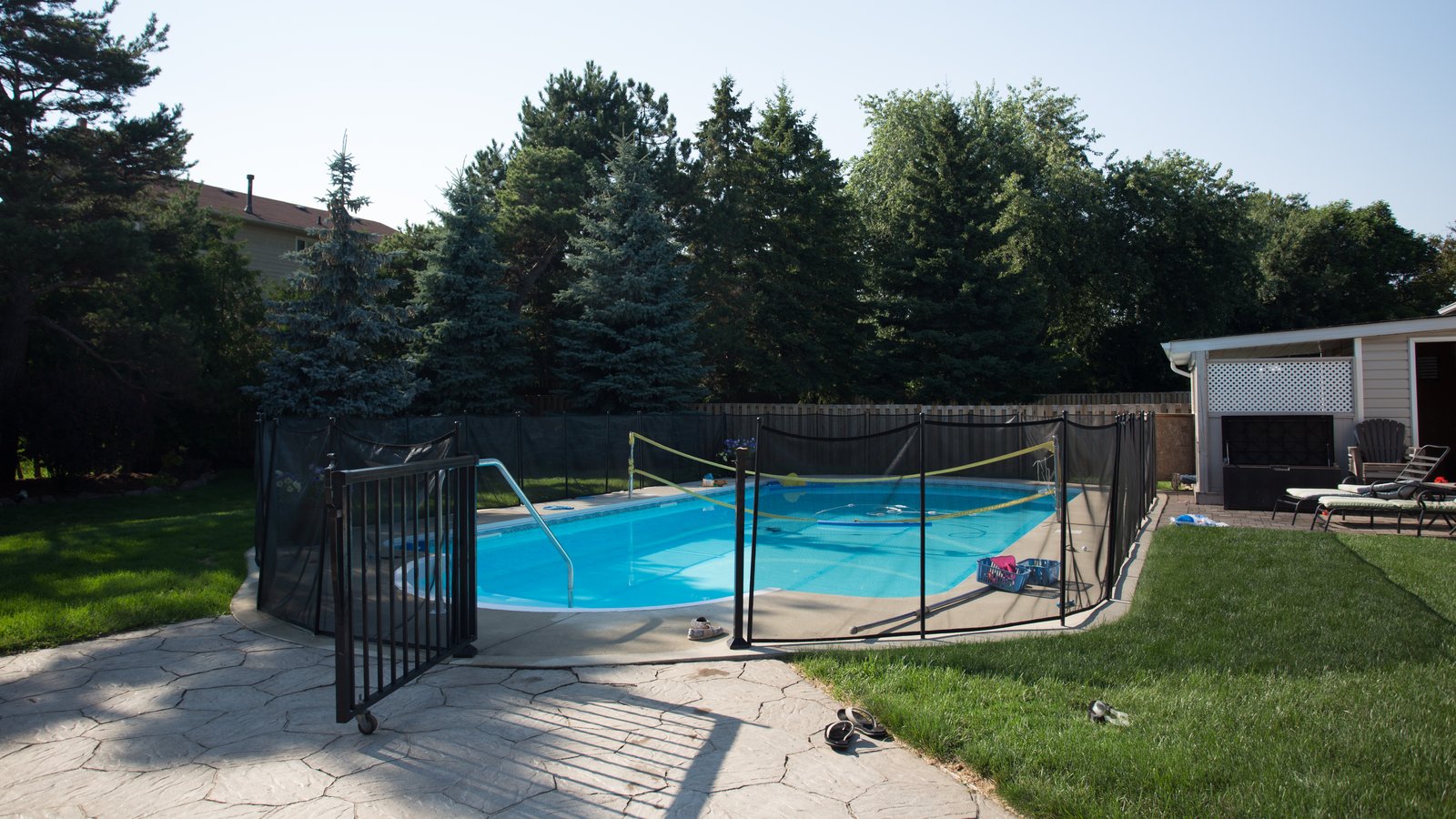
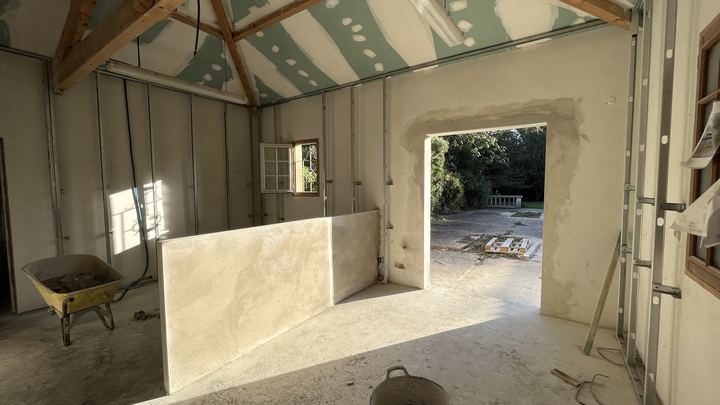
An extension, a garage or a swimming pool creates taxable floor area: the development tax arrives a few months after the works are finished. It is best to include it in the budget from the outset.
How it is calculated
The development tax applies to any construction or extension of more than 5 m² of taxable floor area (enclosed and covered floor area with a ceiling height of more than 1.80 m), as well as to certain installations such as swimming pools. The calculation is simple:
taxable floor area × flat-rate value × rate (municipal share and departmental share).
For 2026, the flat-rate value is €892 per m² outside Île-de-France, a slight fall compared with 2025. The rates are set locally: the municipal share most often ranges from 1% to 5%, and the departmental share is capped at 2.5%.
The allowance for a main residence
The first 100 m² of a main residence (and its outbuildings) benefit from a 50% allowance on the flat-rate value. An extension to the main house benefits from this allowance only within the 100 m² not already used up by the existing house: on a large house, the extension is taxed at the full rate.
Swimming pools, sheds and outbuildings
- Swimming pool: taxed on the pool area, with a specific flat-rate value (€251 per m² in 2026).
- Garage, garden shed, conservatory: enclosed and covered areas, and therefore taxable like any other construction.
- Uncovered terrace: no taxable floor area.
Some constructions are automatically exempt, such as those of 5 m² or less. Others may be exempted by decision of the municipality or the department, for example garden sheds of 20 m² or less: the answer lies in the local council decisions, which the town hall can point you to. Also take care not to confuse taxable floor area with floor area as defined for planning purposes: an enclosed, covered garage counts towards the taxable floor area, even though it is not included in the planning floor area.
Three worked examples
The calculations below use the 2026 flat-rate value outside Île-de-France, a municipal rate of 5% and a departmental rate of 2.5%, taken by way of example: 7.5% in total. The actual rates for your municipality and department should be checked.
Worked example: a 30 m² extension on an 80 m² house
The house (a main residence) has used up only 80 of the 100 m² that benefit from the allowance: 20 m² of the extension still qualify, and the remaining 10 are at the full rate.
| 20 m² with the allowance: 20 × €446 | €8,920 |
| 10 m² at the full rate: 10 × €892 | €8,920 |
| Taxable base | €17,840 |
| Rate (5% + 2.5%, taken by way of example) | 7.5% |
| Development tax | approximately €1,338 |
With the same rates:
- A 30 m² extension on a 120 m² house (main residence): the 100 m² that benefit from the allowance have already been used up by the house. Base: 30 × €892 = €26,760. Tax: €26,760 × 7.5% ≈ €2,007.
- An 8 × 4 m swimming pool, i.e. 32 m² of pool area: 32 × €251 = €8,032. Tax: approximately €602.
For comparison, service-public.fr gives the example of 50 m² taxed at the full rate, with a municipal rate of 3% and a departmental rate of 2.5%: €2,453. A preventive archaeology levy, calculated on the same base, may be added when the works affect the ground below the surface.
When is it paid?
Constructions must be declared to the tax authorities within 90 days of their completion, via the “Gérer mes biens immobiliers” (manage my property) section of the impots.gouv.fr website. The tax is then charged in one or two instalments depending on the amount.
For a house, below €1,500 it is charged in a single payment, from 90 days after the end of the works. Above that, it is split into two equal parts: the first is charged from 90 days after completion, the second six months later.
Mistakes to avoid
- Leaving the tax out of the financing plan: it arrives after the works, when the budget has often been spent.
- Assuming a garage or a shed does not count: if enclosed and covered, it is taxable above 5 m², unless locally exempted.
- Counting the allowance twice: it applies to the first 100 m² of the main residence as a whole, not to each new construction.
- Failing to declare completion within 90 days: the declaration remains compulsory.
The steps
- Before submitting the permit or prior declaration, ask the town hall for the applicable municipal and departmental rates.
- Estimate the tax using the official simulator and include it in the project budget.
- At the end of the works, declare their completion at the town hall.
- Within 90 days, make the declaration on impots.gouv.fr, then pay the tax when you receive the notice.
Planning ahead
The French public service's official simulator lets you estimate the tax from the floor area and the rates of the municipality. We include this estimate in the budget for an extension from the costing stage, so that it does not come as a surprise.
Sources : Code général des impôts, articles 1635 quater A et suivants (taxe d’aménagement) · Arrêté fixant les valeurs forfaitaires 2026 (892 €/m² hors Île-de-France, 251 €/m² de bassin) · Code général des impôts, article 1406 (déclaration des constructions dans les 90 jours) · Code du patrimoine, articles L. 524-2 et suivants (redevance d’archéologie préventive) · service-public.gouv.fr, taxe d’aménagement (calcul, exonérations, paiement) · impots.gouv.fr · service-public.fr
Frequently asked questions
Is a terrace subject to the development tax?
Not if it is neither enclosed nor covered. A conservatory, on the other hand, is taxable.
What is the flat-rate value in 2026?
€892 per m² outside Île-de-France, and €251 per m² of pool area for a swimming pool.
When must the works be declared?
Within 90 days of completion, via the “Gérer mes biens immobiliers” (manage my property) section on impots.gouv.fr.
Is a garage taxable?
Yes, if it is enclosed, covered and larger than 5 m², even though it is not included in the planning floor area.
Is a garden shed taxed?
Above 5 m², yes in principle. The municipality or the department may, however, exempt garden sheds of 20 m² or less: ask at the town hall.
Is the tax paid in one go?
In one go if it is below €1,500; otherwise in two equal parts six months apart.
Which rates apply?
The municipal share most often ranges from 1% to 5% (up to 20% in certain areas), and the departmental share is capped at 2.5%.
How much for a 15 m² conservatory?
If the allowance has already been used up by the house, with rates of 5% and 2.5% taken by way of example: 15 × €892 × 7.5%, or approximately €1,004, paid in one go since the amount stays below €1,500.